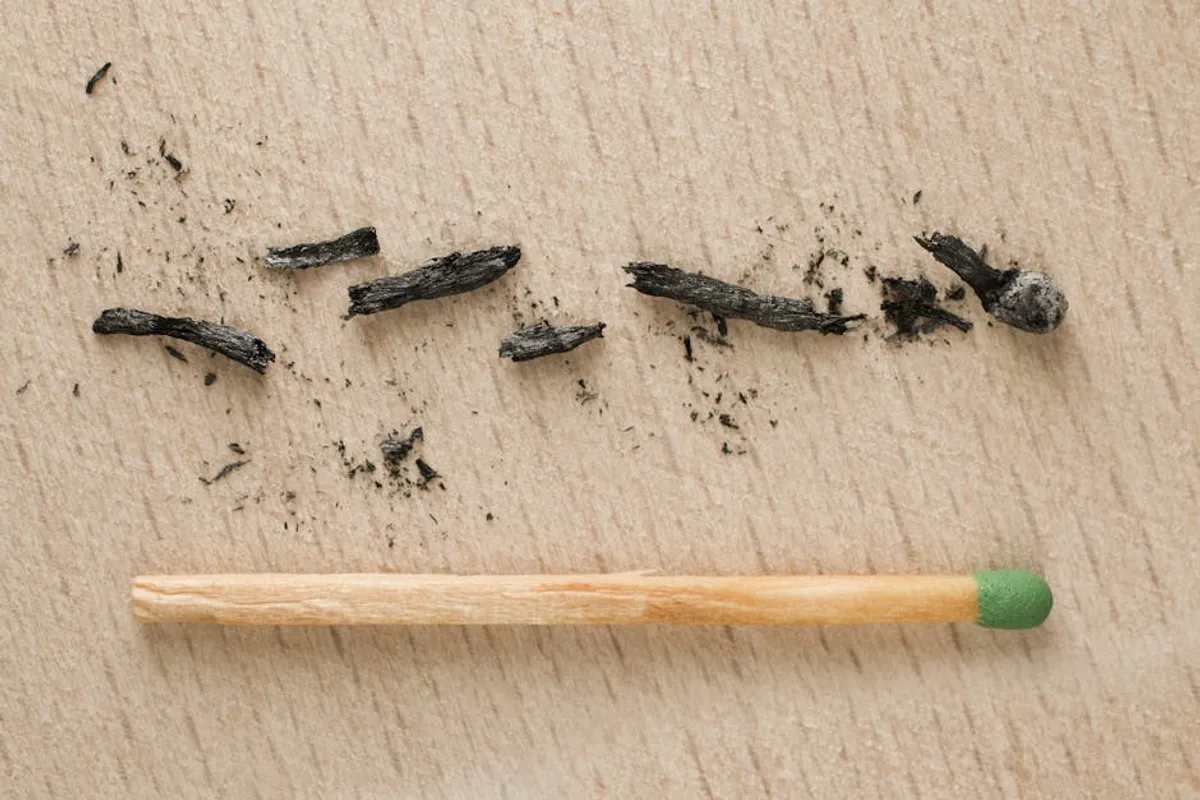
Ash Wednesday marks the official commencement of Lent, a significant period of spiritual reflection and preparation within the Christian calendar. For 2026, understanding the precise date and the traditional observances is crucial for individuals and communities planning their spiritual journey. This guide details the calculation of Ash Wednesday, its core theological significance, and the practical aspects of its observance, providing a definitive resource for those seeking to engage fully with this solemn day.
Understanding Ash Wednesday's Significance
Ash Wednesday is not merely a date on the calendar; it initiates a 40-day journey of prayer, fasting, and almsgiving, culminating in Easter. Its profound meaning is rooted in ancient Christian tradition, calling believers to acknowledge their mortality, repent of their sins, and prepare their hearts for the resurrection of Christ.
Historical Roots and Liturgical Meaning
The practice of using ashes as a sign of repentance and mourning dates back to biblical times, referenced in texts like Jonah and Daniel. Early Christians adopted this symbolism, formalizing it into a liturgical practice. By the 11th century, the distribution of ashes became a widespread custom, specifically on the first day of Lent. The liturgy emphasizes humility and a renewed commitment to Christian discipleship, serving as a stark reminder of human frailty and the need for God's grace.
The Symbolism of Ashes
The ashes themselves are typically derived from the burned palms of the previous year's Palm Sunday. This connection reinforces the cyclical nature of the liturgical year and the continuity of Christian tradition. When applied to the forehead, often in the shape of a cross, the ashes are accompanied by words such as "Remember that you are dust, and to dust you shall return" (Genesis 3:19) or "Repent, and believe in the Gospel" (Mark 1:15). These phrases underscore two central themes: mortality and the call to conversion. The visible mark serves as a public declaration of faith and a personal commitment to the Lenten disciplines.
Determining the Date: Ash Wednesday 2026
The date of Ash Wednesday is not fixed but is a movable feast, directly dependent on the date of Easter Sunday. This linkage ensures its consistent placement within the Christian liturgical cycle, always preceding Easter by a specific number of days.
Calculation Method: 40 Days Before Easter
Ash Wednesday always falls 46 days before Easter Sunday. This calculation includes the six Sundays within Lent, which are traditionally not counted as days of fasting, thus resulting in 40 days of Lenten observance. Easter Sunday, in turn, is determined by the first Sunday after the first full moon occurring on or after the vernal equinox (March 21). This complex calculation, established by the Council of Nicaea in 325 AD, ensures a consistent framework for the entire Lenten season.
Specific Date for 2026
For the year 2026, Easter Sunday is scheduled for April 5th. Counting back 46 days from this date, including the intervening Sundays, places Ash Wednesday on February 18, 2026. This date provides ample time for individuals and organizations to prepare for the Lenten period, scheduling services, events, and personal spiritual practices accordingly.
Observance Practices
Observing Ash Wednesday involves specific liturgical and personal practices designed to foster a spirit of repentance, humility, and spiritual renewal. These practices vary slightly among denominations but share common core elements.
Receiving Ashes
The central public observance of Ash Wednesday is the imposition of ashes during a worship service. Attendees approach the altar or minister, who applies ashes to their forehead. This act is not a sacrament but a sacramental, a visible sign that prepares individuals for a deeper encounter with God. While historically more prevalent in Catholic and some Anglican traditions, many Protestant denominations have adopted this practice, recognizing its powerful symbolism.
Fasting and Abstinence Guidelines
For many Christians, particularly Roman Catholics, Ash Wednesday is a day of strict fasting and abstinence. Fasting typically involves consuming only one full meal, with two smaller meals that together do not equal the full meal. Abstinence means refraining from eating meat. These disciplines are intended to foster self-control, spiritual hunger, and solidarity with the poor. Specific guidelines can vary by age and health status, and individuals are encouraged to consult their local religious leaders for precise instructions applicable to their situation.
Personal Reflection and Repentance
Beyond external rituals, Ash Wednesday calls for deep personal introspection. It is a day to reflect on one's sins, acknowledge shortcomings, and commit to spiritual growth. This might involve:
- Extended periods of prayer and meditation.
- Reading scripture focused on repentance and God's mercy.
- Examining conscience and seeking reconciliation.
- Making a conscious decision to amend one's life.
The day serves as a spiritual reset, prompting a re-evaluation of priorities and a renewed focus on one's relationship with God.
Liturgical Services and Prayers
Churches typically hold special services on Ash Wednesday, often featuring readings, homilies, and the Rite of Imposition of Ashes. These services are designed to guide the congregation through the themes of repentance, mortality, and the beginning of Lent. Many services also include specific prayers for forgiveness, strength for the Lenten journey, and an increase in faith.
Pro Tip: While receiving ashes is a public declaration, the spiritual disciplines of fasting and repentance are primarily personal. Focus on the internal transformation rather than merely the external ritual. Consider what personal sacrifice or spiritual practice will genuinely deepen your Lenten experience, beyond what is mandated.
Preparing for Lent
Ash Wednesday is the threshold to the Lenten season, a 40-day period of intensified spiritual practice. Effective preparation ensures that the transition into Lent is meaningful and productive.
Spiritual Disciplines for the Lenten Season
Lent traditionally emphasizes three pillars: prayer, fasting, and almsgiving. Preparing for Lent means considering how these disciplines will be integrated into daily life. This could involve committing to a daily prayer routine, choosing a specific item or habit to fast from, or designating resources for charitable giving. Many individuals also commit to reading a devotional book, attending extra services, or engaging in acts of service.
Community Engagement and Charitable Acts
Lent is not solely an individual endeavor; it also encourages community and solidarity. Many parishes and Christian organizations initiate specific charitable campaigns or outreach programs during this time. Participating in these collective efforts, whether through volunteering time, donating resources, or advocating for justice, can significantly enrich the Lenten experience by extending its spiritual focus outward to those in need.
Practical Guidance for Observance
For those observing Ash Wednesday, planning ahead ensures a more focused and meaningful experience.
Locate Services: Confirm service times at your local church or place of worship well in advance, especially if you plan to receive ashes. Many churches offer multiple service times throughout the day to accommodate various schedules.
Understand Guidelines: Familiarize yourself with any specific fasting or abstinence rules applicable to your denomination or personal health situation. If unsure, consult your religious leader.
Personal Reflection: Set aside time for quiet reflection. This could involve reading scripture, journaling, or simply meditating on the themes of repentance and spiritual renewal. Consider setting a specific intention for your Lenten journey.
Prepare for Lent: Begin to formulate your Lenten commitments for the 40 days that follow. Deciding on specific spiritual disciplines for prayer, fasting, and almsgiving before Ash Wednesday can help you start the season with purpose.
Frequently Asked Questions
Is Ash Wednesday a Holy Day of Obligation?
In the Roman Catholic Church, Ash Wednesday is not a Holy Day of Obligation, meaning Catholics are not strictly required to attend Mass, though many choose to do so to receive ashes and participate in the liturgy.
Can anyone receive ashes on Ash Wednesday?
While the imposition of ashes is a public ritual, the practice is generally open to all baptized Christians, and often to anyone who wishes to receive them as a sign of repentance and a desire for spiritual renewal, regardless of their specific denominational affiliation.
What are the fasting rules on Ash Wednesday?
For Roman Catholics aged 18 to 59, fasting on Ash Wednesday means consuming only one full meal, with two smaller meals that, combined, do not equal a full meal. Abstinence from meat is also required for Catholics aged 14 and older.
How long should one keep the ashes on their forehead?
There is no specific rule regarding how long the ashes must be kept on. Many individuals wear them for the remainder of the day as a visible reminder of their faith and commitment to repentance, while others may wash them off after leaving the service.