
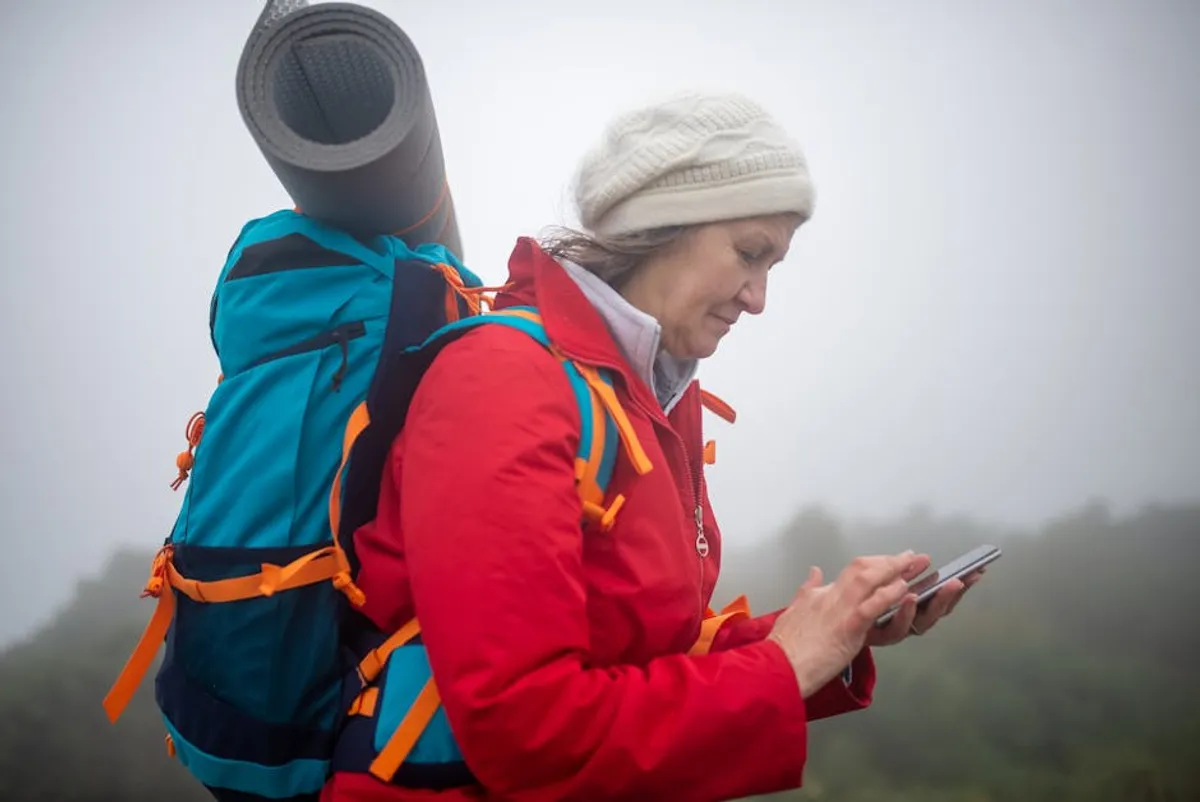
Gobackpacking, a domain name suggesting a focus on the backpacking travel niche, presents a compelling subject for analyzing content-driven search visibility. Its inherent specialization implies a rich environment for both informational and commercially investigative search queries. Understanding how Gobackpacking structures its content, targets specific audience segments, and addresses various reader intents can illuminate effective strategies for capturing and sustaining organic traffic within the competitive travel publishing landscape. This analysis aims to outline its apparent content strategy and potential search footprint, rather than evaluate the service itself.
What Gobackpacking Appears to Cover
Gobackpacking's content strategy seems to revolve around comprehensive resources for individuals engaged in or planning backpacking trips. The site likely publishes extensive destination guides, offering insights into specific countries, regions, and cities popular among backpackers. These guides would typically cover practical aspects such as local transportation, accommodation options (hostels, guesthouses), cultural etiquette, and recommended itineraries for varying trip durations. A significant portion of its content would also address gear reviews and recommendations, detailing the utility, durability, and value of various backpacking essentials like backpacks, tents, sleeping bags, and specialized travel clothing. This category often includes comparisons and buying guides designed to assist travelers in making informed purchasing decisions.
Beyond destinations and gear, Gobackpacking likely delves into the intricacies of trip planning. This includes budgeting advice, visa requirements for different nationalities and destinations, health precautions, travel insurance considerations, and packing strategies. The site also appears to prioritize traveler safety, publishing articles that cover personal security tips, health-related risks, common travel scams, and emergency preparedness. Furthermore, content may explore different styles of backpacking, such as solo travel, couples' adventures, budget-conscious trips, or sustainable and responsible tourism practices. This breadth of topics suggests an effort to serve a wide array of informational needs for the backpacking community, from novice travelers to seasoned explorers.
Where Its Search Traffic May Come From
Organic search traffic for Gobackpacking would likely originate from a diverse set of keyword types. A substantial portion would be driven by long-tail informational queries, such as "best backpacking routes Southeast Asia," "how to pack a 40L backpack," or "cost of backpacking South America for 3 months." These queries indicate users seeking detailed answers and planning resources. Commercial investigation keywords, like "Osprey Atmos AG review" or "lightweight travel insurance comparison," would attract users actively researching products or services related to their travel plans. If Gobackpacking offers any specific services or has a strong brand presence, navigational searches for "Gobackpacking reviews" or "Gobackpacking travel guides" would also contribute to its traffic profile. The content's ability to rank for specific destination-plus-activity phrases, such as "trekking permits Patagonia" or "volunteer opportunities Thailand," would also be a key traffic driver.
Search Intent Behind Gobackpacking
The content published by Gobackpacking typically addresses several distinct search intents. Informational intent is central, catering to users who are in the early stages of planning or simply curious about backpacking. This includes queries like "what to know before backpacking Europe" or "how to stay safe while solo traveling." Commercial investigative intent is also highly relevant, as users often search for product comparisons, reviews, and recommendations before making purchases related to gear, insurance, or tours. Examples include "best waterproof hiking boots" or "travel medical insurance for long trips." While less prevalent for a purely content-driven site, transactional intent could be indirectly served if the site features affiliate links for booking accommodations or purchasing gear. Finally, navigational intent would apply to users specifically seeking the Gobackpacking domain or its known content assets.
Why Traffic May Rise or Fall
Gobackpacking's organic traffic patterns are susceptible to various factors. Traffic could experience an uplift through timely content updates reflecting current travel trends, such as emerging destinations or new gear innovations. Seasonal travel patterns also play a significant role; content related to summer backpacking in Europe or winter escapes to warmer climates would see corresponding spikes. Consistent publication of high-quality, evergreen content that addresses perennial traveler questions, coupled with strong internal linking and E-A-T signals, can also lead to sustained growth. Conversely, traffic may decline if content becomes outdated, especially regarding visa regulations, pricing, or safety advisories. Algorithm updates from major search engines that de-prioritize older or less authoritative content could also negatively impact visibility. Increased competition from other travel blogs or large publishing houses that invest heavily in similar content can also dilute Gobackpacking's search share.
How the Site Could Improve Organic Visibility
To enhance its organic visibility, Gobackpacking could focus on several strategic areas. Developing robust content clusters around core backpacking themes, such as "budget travel hacks," "sustainable backpacking," or "specific regional guides," would help establish topical authority. Each cluster should feature a comprehensive pillar page linking to numerous supporting articles, creating a strong internal link structure. Implementing structured data markup for reviews, travel itineraries, or FAQs could improve how its content is presented in search results, potentially leading to richer snippets. Strengthening E-A-T (Expertise, Authoritativeness, Trustworthiness) signals by showcasing author bios with relevant travel experience and clear editorial guidelines would also be beneficial. Regularly auditing and updating existing content to ensure accuracy and freshness, particularly for time-sensitive information like visa requirements or gear models, is crucial. Additionally, identifying and targeting less competitive, yet highly relevant, long-tail keywords could unlock new traffic opportunities.
What to Check Before Trusting Traffic Estimates
When evaluating third-party traffic estimates for a domain like Gobackpacking, it's essential to approach the data with a critical perspective. Such estimates are inherently approximations and may not reflect actual visitor numbers accurately. Key considerations include the source's methodology and data recency; outdated data or reliance on limited keyword sets can skew results. It's also important to analyze seasonal trends, as travel-related content experiences significant fluctuations throughout the year. Distinguishing between branded and non-branded search traffic can reveal the site's brand recognition versus its organic keyword visibility. Furthermore, understanding the geographic distribution of search interest is vital for a travel site, as traffic from specific regions may indicate different levels of intent or value. Without direct analytics access, these estimates serve as directional indicators rather than precise measurements.
Frequently Asked Questions About Gobackpacking's Content Strategy
What content categories does Gobackpacking focus on?
Gobackpacking's content generally centers on comprehensive destination guides, detailed gear reviews and recommendations, practical trip planning advice, and essential traveler safety considerations, alongside insights into various backpacking styles and cultural immersion.
How does Gobackpacking address traveler safety within its content?
The site publishes articles that provide practical advice on personal security, health precautions, common travel scams, and emergency preparedness, aiming to equip travelers with knowledge to mitigate risks on their journeys.
What types of user intent does Gobackpacking's content typically serve?
Gobackpacking primarily serves informational intent for users seeking knowledge and planning resources, and commercial investigative intent for those researching gear, services, or destinations prior to making purchasing decisions.
How might Gobackpacking expand its content to capture more search visibility?
To increase search visibility, Gobackpacking could deepen its content by building robust topic clusters, implementing structured data, strengthening E-A-T signals, and regularly updating existing articles for freshness and accuracy.