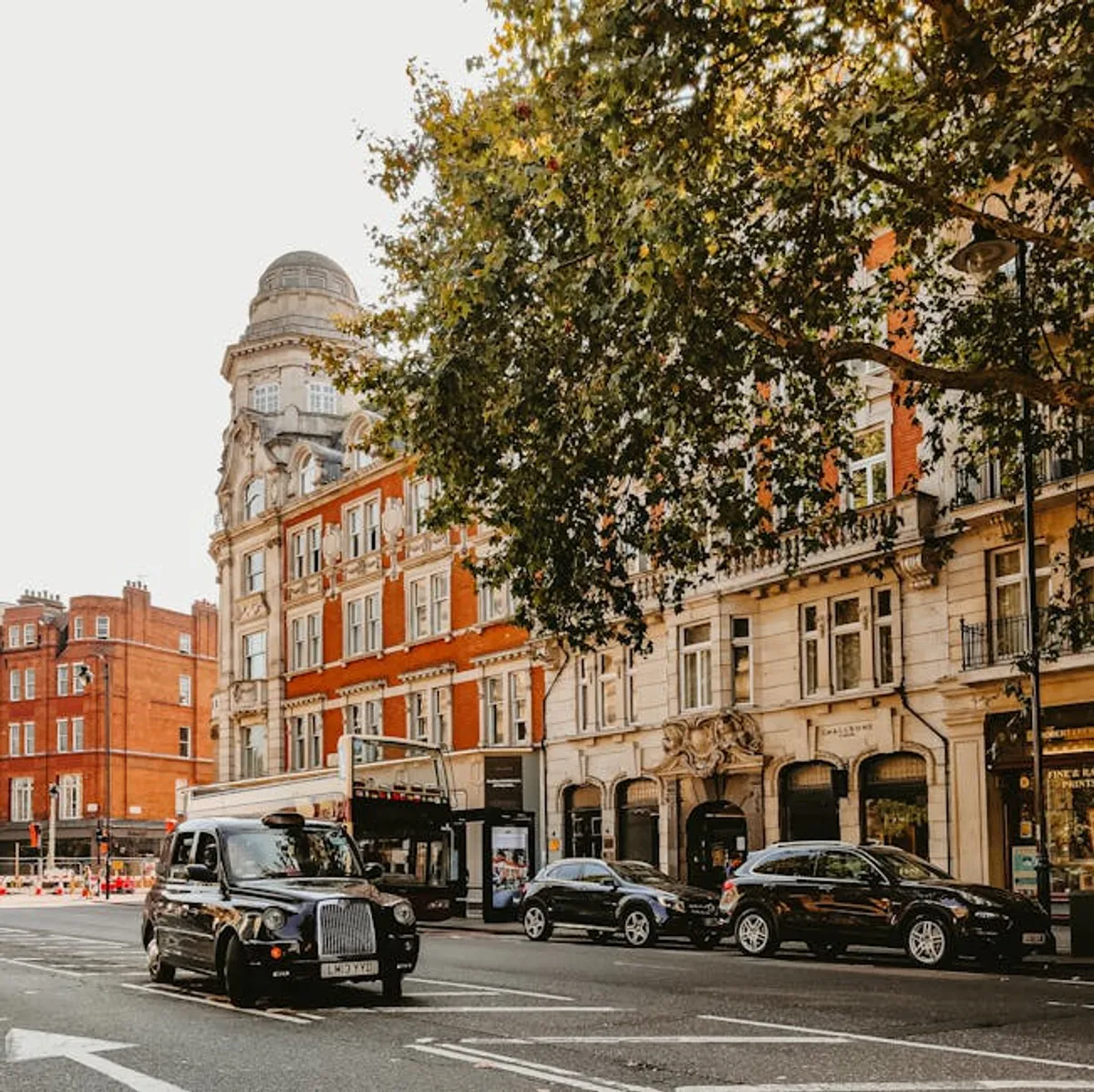
A website focusing on Mayfair London, as implied by the title, positions itself within a high-value geographic niche that attracts diverse search intent. Understanding its content strategy involves dissecting how it addresses informational, commercial, and comparative queries related to this iconic district. The scope of such a site often encompasses detailed local insights, historical context, and practical guidance, all of which contribute to its potential for organic search visibility and audience engagement. Analyzing the types of content it publishes and the search patterns it targets reveals opportunities for strategic expansion and sustained traffic growth within this competitive market segment.
What a Site Covering Mayfair London Appears to Cover
A content platform dedicated to Mayfair London typically addresses a comprehensive range of topics, reflecting the multifaceted nature of the district itself. Its editorial focus often includes historical narratives, architectural highlights, and cultural landmarks, catering to those seeking a deeper understanding of the area's heritage. For instance, articles might detail the evolution of specific streets or the significance of historical buildings, appealing to researchers and history enthusiasts.
Beyond historical context, the site would likely feature extensive coverage of Mayfair's contemporary "features." This includes detailed profiles of luxury retail establishments, high-end dining experiences, art galleries, and exclusive services. Content often delves into specific amenities, such as detailed reviews of boutique hotels, descriptions of private members' clubs, or guides to unique shopping opportunities. The objective here is to provide practical, up-to-date information for residents, visitors, and those considering property or business ventures in the area.
Regarding "safety," the site's content would address general considerations for navigating Mayfair. This might involve articles on local etiquette, advice for engaging with reputable service providers, or general security awareness for visitors. The aim is to inform readers about the typical environment and common practices within a high-profile urban district, rather than providing specific security warnings or investigative reports. The focus remains on descriptive information about the locale.
Finally, content exploring "alternatives" would compare Mayfair with other upscale London neighborhoods or even international luxury destinations. These articles might analyze the distinct characteristics of areas like Belgravia, Knightsbridge, or Chelsea, contrasting their atmospheres, amenities, and property markets. Such comparative pieces serve an audience evaluating different high-end options, helping them understand the unique value proposition of Mayfair in relation to other choices.
Where Its Search Traffic May Come From
Organic search traffic for a Mayfair London-focused site likely originates from a blend of precise and exploratory queries. Geographic modifiers are central, with users searching for "Mayfair restaurants," "Mayfair hotels," "Mayfair art galleries," or "luxury apartments Mayfair." These direct queries indicate high commercial intent, often leading to specific business listings or directories. Long-tail keywords, such as "history of Bond Street Mayfair" or "best afternoon tea Mayfair," capture more nuanced informational intent.
Informational queries often revolve around understanding the district: "what is Mayfair known for," "things to do in Mayfair," or "Mayfair nightlife guide." These searches indicate users in the early stages of planning a visit or seeking general knowledge. Event-driven traffic may also emerge around seasonal happenings, such as "Mayfair Christmas lights" or "Frieze Art Fair Mayfair dates," attracting users looking for timely information.
The site's content around "safety" might capture queries like "is Mayfair safe for tourists" or "reputable jewelers Mayfair," where users seek reassurance or trusted recommendations. "Alternatives" content would attract users searching for "Mayfair vs Knightsbridge" or "luxury areas similar to Mayfair," indicating a comparative research phase.
Search Intent Behind the Subject
The search intent targeting Mayfair London is predominantly a mix of informational, navigational, and commercial. Informational intent drives queries from users seeking to learn about the district's history, culture, or general characteristics. This includes searches like "Mayfair famous residents" or "architecture in Mayfair," where the user's goal is knowledge acquisition.
Navigational intent is evident when users are looking for specific businesses or landmarks within Mayfair, often using brand names or direct location queries. Examples include "Claridge's hotel Mayfair" or "Sotheby's Mayfair opening hours," where the user already knows their destination but needs precise details.
Commercial intent underpins searches from users ready to make a purchase or booking. Queries such as "buy property Mayfair," "luxury car hire Mayfair," or "best Michelin star restaurants Mayfair" indicate a strong desire to transact. The "features" content on the site directly addresses this by providing detailed information about services and establishments. The "alternatives" content also serves a commercial intent by helping users compare options before making a decision.
Why Traffic May Rise or Fall
Organic traffic to a Mayfair London content site is susceptible to several factors. Seasonal tourism trends significantly influence visitor numbers, with peaks typically occurring during warmer months, major holidays, and specific cultural events. Economic shifts, both national and international, can impact luxury spending and travel, directly affecting commercial search volume for high-end services and experiences in Mayfair.
Changes in Google's search algorithms are a constant variable; updates that prioritize local content, user experience, or specific content formats can either boost or depress visibility. Local events, such as new gallery openings, exclusive product launches, or annual festivals, can create temporary spikes in relevant search traffic. Conversely, negative press, local disruptions, or changes in regional appeal could lead to a decline in interest and associated search volume. The site's ability to consistently publish fresh, authoritative content on Mayfair's evolving landscape directly correlates with its sustained traffic performance.
How the Site Could Improve Organic Visibility
To enhance its organic visibility, a Mayfair London site could implement several strategic SEO initiatives. Expanding content clusters around specific micro-niches within Mayfair, such as "Art Galleries of Cork Street" or "Hidden Courtyards of Mayfair," would capture highly targeted long-tail traffic. Developing comprehensive local guides, optimized with schema markup for local businesses and events, would improve its chances of appearing in local search packs and rich snippets.
Creating evergreen content that delves into the history and cultural significance of Mayfair's institutions, beyond mere listings, can attract academic and research-oriented audiences. Integrating more user-generated content, such as reviews or local tips (if moderated effectively), could boost engagement signals. Additionally, a robust internal linking structure that connects related articles on features, history, and alternatives would distribute link equity and guide users through relevant content pathways, improving both SEO and user experience. Regular content audits to identify outdated information and opportunities for content refreshes are also crucial for maintaining authority and relevance.
What to Check Before Trusting Traffic Estimates
Before relying on any third-party traffic estimates for a site focused on Mayfair London, it is essential to scrutinize the data sources and methodologies. Many tools provide projections based on keyword rankings and estimated search volumes, which can vary widely in accuracy. These estimates often do not account for direct traffic, referral traffic, or branded search queries that may not be captured by general keyword analysis. Furthermore, they may not accurately reflect the impact of localized search results or the nuances of specific geographic intent.
Cross-referencing data from multiple reputable SEO tools can offer a more balanced perspective. Understanding the tool's data refresh rate and its geographic indexing capabilities is also critical, especially for a location-specific domain. Ultimately, direct access to a site's own analytics (like Google Analytics, if available) provides the most reliable indication of its actual search performance and audience behavior.
Frequently Asked Questions About Mayfair London Content
What types of businesses are typically covered in Mayfair London content?
Content generally focuses on luxury retail, fine dining, high-end hotels, art galleries, private clubs, and exclusive service providers such as wealth management or bespoke tailoring. The emphasis is on establishments that define Mayfair's upscale character.
How does content address the "safety" aspect of Mayfair London?
Content related to safety typically describes the general environment of Mayfair, offering insights into reputable establishments, common practices for visitors, and overall security awareness within the district. It aims to inform about typical conditions rather than issue warnings.
What kind of "alternatives" does a Mayfair London site discuss?
The site often explores other affluent London neighborhoods like Belgravia, Knightsbridge, or Chelsea, comparing their amenities, atmosphere, and property markets. It might also touch upon international luxury destinations that appeal to a similar demographic.
Is historical content important for a Mayfair London site?
Yes, historical content is crucial for establishing authority and attracting an audience interested in the district's rich heritage. Articles on architectural history, famous residents, or significant events provide depth and context that enhances the site's overall value.