
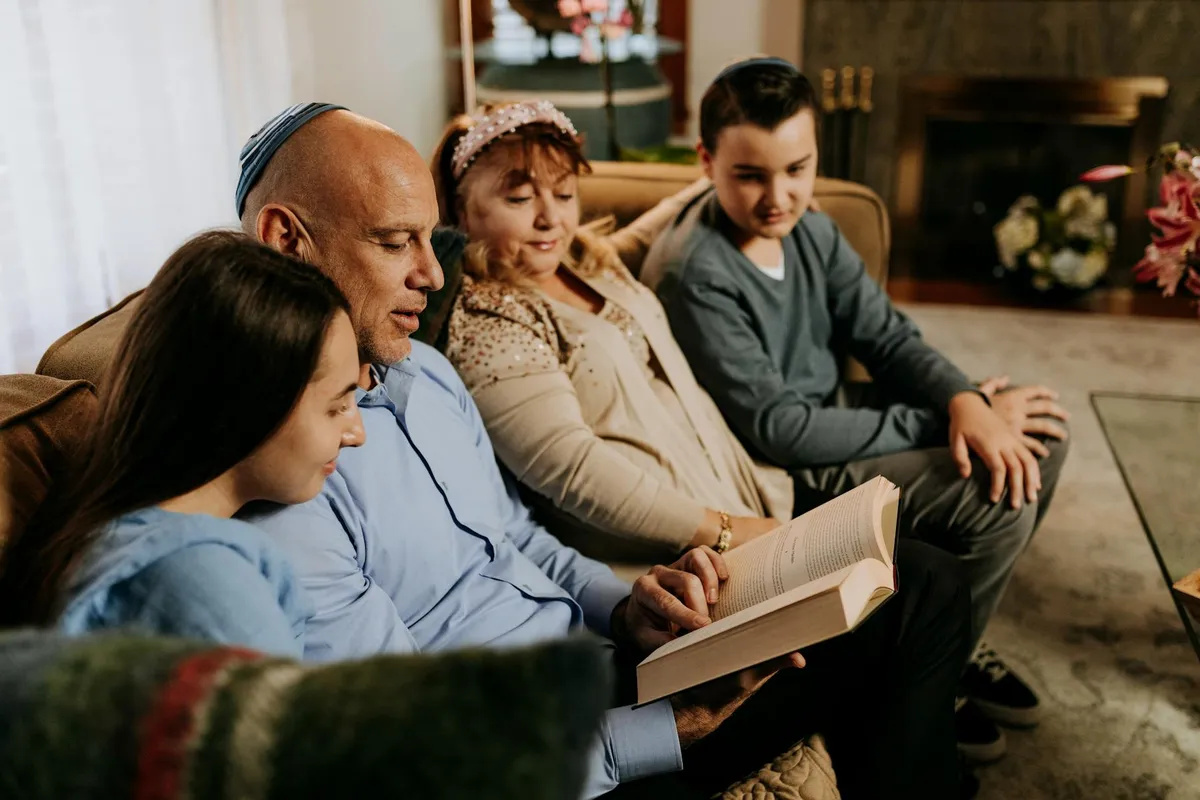
The discipleship of a child is not an event. It is a thousand small repeated motions that, over fifteen years, teach a young person what it looks like to live with God. Below are seven practices that, in my own family and in the families I have watched closely, have done more than the formal Bible curricula combined.
1. Pray out loud at meals — but not the same prayer
The repeated identical prayer becomes audible furniture. Pray for whatever is actually weighing on the family that day. Children learn that prayer is responsive, not ritualistic.
2. Read scripture as part of a meal, not as homework
Pick a short passage. Read it. Ask one question — "what do you notice?" — and let the children answer first. The aim is not to extract a lesson; it is to teach them that scripture is for thinking with.
3. Talk about money openly
How you tithe, how you save, what you give away. Christian formation includes financial formation. Children who grow up with money treated as something held loosely become adults who do the same.
4. Apologise to your children when you are wrong
This is the practice that, in the long run, teaches grace. A parent who can say "I was wrong, will you forgive me" raises children who can do the same with God and with others.
5. Keep a Sabbath that they can feel
One day a week with no work, no shopping, no rushing. Long lunch. Walk in the afternoon. Children who grow up tasting Sabbath grow up convinced that they are not their productivity.
6. Let them see you struggle with faith
Pretending you have it all figured out is the fastest way to teach a child that "having it figured out" is the prerequisite for faith. Let them watch you wrestle, doubt, return.
7. Build a family liturgy of forgiveness
"I forgive you" said and meant, repeatedly, becomes a pattern children internalise. Without it, hurts accumulate quietly until they emerge in adolescence as cynicism.
The point underneath all seven
Children become what they catch, not what they are taught. The aim of these practices is not to fill a child with the right answers but to surround them with the right rhythms long enough that those rhythms become their own.