
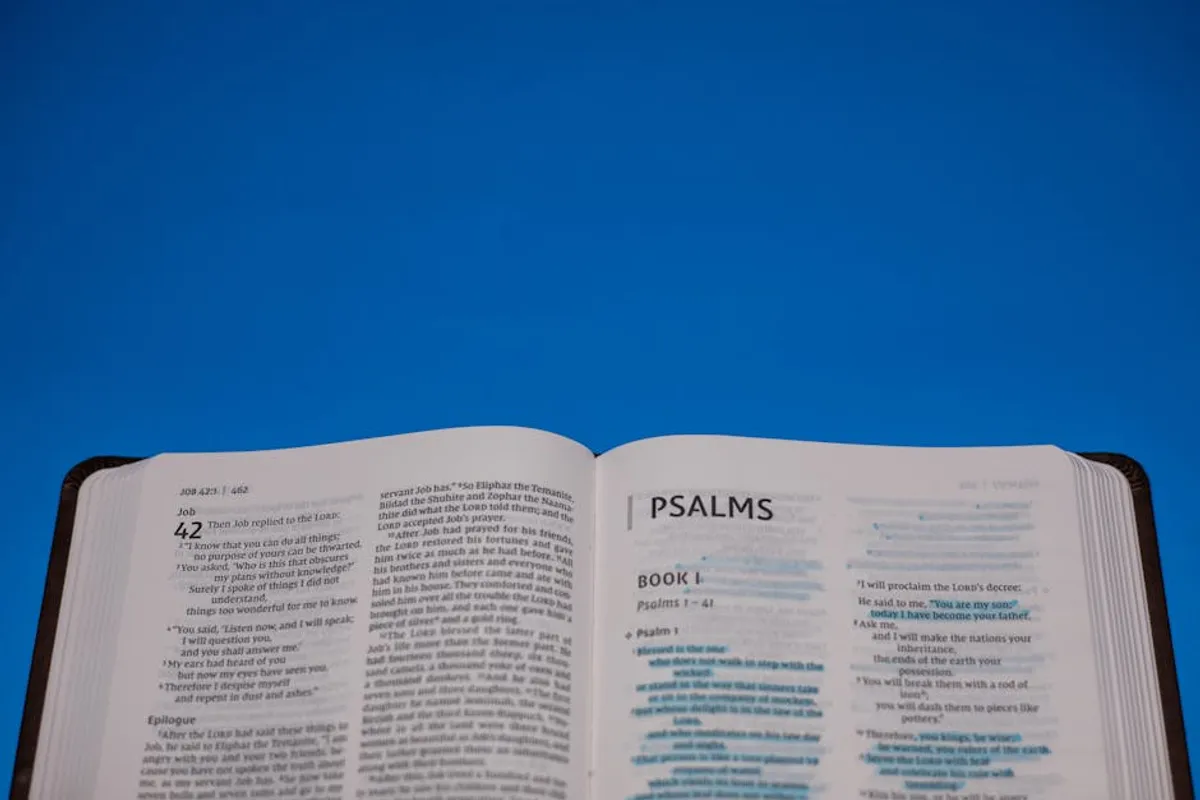
Engaging with scripture on a deeper level often moves beyond casual reading to active memorization. This practice is not about rote learning for its own sake, but about internalizing foundational texts for immediate access and application in daily life. For individuals seeking to integrate faith principles more consistently, a structured approach to scripture memorization offers a practical pathway. The goal is to build a personal reservoir of wisdom that informs decisions, provides comfort, and guides actions without needing to constantly refer to a physical text. This guide outlines systematic methods for selecting, memorizing, and retaining scripture, focusing on efficiency and lasting impact for everyday faith.
Establishing a Foundation: Why Memorize Scripture?
Memorizing scripture provides several distinct advantages beyond simple familiarity. It shifts knowledge from external reference to internal resource, enabling immediate recall during moments of need or decision. This internalization facilitates quicker application of principles, fostering resilience and clarity in challenging situations. Furthermore, the act of memorization often leads to a deeper comprehension of the text, as repeated engagement reveals nuances and connections that might be missed in a single reading. It's a method for embedding core tenets directly into one's thought processes, making them accessible regardless of circumstance.
- Immediate Guidance: Access divine counsel without external aids.
- Enhanced Understanding: Repetition and focus deepen textual comprehension.
- Spiritual Resilience: Internalized truths provide comfort and strength during adversity.
- Consistent Application: Ready recall facilitates daily ethical and spiritual decision-making.
Selecting Scriptures for Memorization
The effectiveness of memorization begins with thoughtful selection. Instead of randomly picking verses, prioritize passages that resonate personally, address current life circumstances, or articulate foundational beliefs. Starting with shorter, impactful verses or key phrases allows for quicker success, building momentum for more extensive passages. Consider thematic memorization, focusing on verses related to specific topics like peace, wisdom, or perseverance. This thematic approach creates a cohesive mental framework, making recall more intuitive.
Best for: Personal relevance and foundational truths.
Prioritizing Personal Relevance
Choose verses that speak directly to your current needs, struggles, or aspirations. If facing anxiety, focus on passages about peace or God's provision. If seeking wisdom, select proverbs or teachings on discernment. This personal connection enhances motivation and makes the memorized scripture more immediately useful in practical scenarios.
Starting Small and Building Gradually
Begin with single verses or short passages (e.g., 1-2 verses). Once these are firmly established, gradually increase the length or complexity. This incremental approach prevents overwhelm and reinforces the habit of consistent engagement. For instance, start with a core verse, then add the preceding and succeeding verses in subsequent weeks.
Effective Memorization Techniques
Successful memorization relies on active engagement and varied techniques that cater to different learning styles. Passive reading alone is rarely sufficient for deep retention. Combining multiple methods reinforces the information pathways in the brain, leading to more robust recall.
Repetition and Spaced Repetition
Simple repetition remains a cornerstone. Read the verse aloud multiple times. Write it down. However, spaced repetition is more powerful: review the verse shortly after initial learning, then again after a few hours, a day, three days, a week, and so on. This method leverages the brain's natural forgetting curve, reinforcing memory just as it begins to fade.
Contextual Learning
Memorize verses within their broader biblical context. Understand the chapter, the book, and the historical setting. Knowing the "story" behind the verse provides anchors for recall and prevents misinterpretation. For example, memorizing Philippians 4:13 ("I can do all things through Christ who strengthens me") is more impactful when understood within Paul's letter about contentment in all circumstances.
Visual and Auditory Aids
Write verses on index cards and place them in visible locations (e.g., refrigerator, bathroom mirror). Use a whiteboard to write out passages. Record yourself reciting the verses and listen to them during commutes or chores. Apps designed for scripture memorization often incorporate flashcards, audio, and spaced repetition features.
Pro Tip: Engage multiple senses simultaneously. Read the verse aloud while writing it down and visualizing its meaning. This multi-sensory input creates stronger memory traces, making recall more robust and resistant to forgetting.
Integrating Memorization into Daily Life
Consistency is key to transforming memorization into a sustainable practice. Instead of lengthy, infrequent sessions, aim for short, regular engagements. Integrate these moments into existing routines to establish a natural rhythm.
Establishing Consistent Short Sessions
Dedicate 5-10 minutes each day specifically to scripture memorization. This could be during a morning routine, a lunch break, or before bed. The cumulative effect of short, focused sessions outweighs sporadic, longer efforts.
Leveraging Trigger Moments
Associate memorization with specific daily activities. For example, recite a verse while waiting in line, during a commute, or while performing a routine task like washing dishes. These "trigger moments" transform otherwise idle time into productive memorization opportunities.
Accountability and Community
Share your memorization goals with a trusted friend or group. Reciting verses to another person or discussing their meaning strengthens recall and provides external motivation. This social reinforcement can be a powerful tool for maintaining consistency.
Sustaining Retention: Beyond Initial Memorization
Memorizing a verse once does not guarantee permanent recall. Long-term retention requires an ongoing strategy of review and application. Without regular reinforcement, even well-memorized passages can fade over time.
Systematic Review Schedules
Implement a review schedule for previously memorized verses. Use a system that prompts you to revisit older verses at increasing intervals. Many digital tools and apps are built on spaced repetition algorithms to automate this process. A simple physical system could involve moving index cards from a "new" pile to "weekly review," then "monthly review," etc.
Application in Daily Situations
Actively apply memorized scripture to real-life circumstances. When facing a decision, recall relevant verses. When experiencing an emotion, bring to mind passages that offer perspective or comfort. This active application transforms abstract knowledge into practical wisdom, deepening both understanding and retention.
Teaching and Sharing
Explaining or teaching a memorized verse to others is one of the most effective ways to solidify it in your own memory. The act of articulating the verse and its meaning forces deeper processing and organization of the information, reinforcing recall pathways.
Practical Application and Lasting Impact
The consistent practice of scripture memorization moves beyond a mere intellectual exercise; it cultivates an internal compass for daily living. By systematically internalizing key principles, individuals gain immediate access to guidance, comfort, and perspective. This translates into more intentional decision-making, greater emotional resilience, and a deeper, more integrated faith experience. The lasting impact is not just knowing more scripture, but living more consistently in alignment with its teachings, transforming abstract knowledge into practical wisdom that informs every aspect of life.
Frequently Asked Questions
How long should a memorization session be?
Aim for short, focused sessions of 5-10 minutes daily. Consistency is more important than duration; brief, regular engagement yields better long-term results than infrequent, lengthy sessions.
What if I keep forgetting verses?
Forgetting is a natural part of the learning process. Re-engage with the verse through spaced repetition, writing it out, and reciting it aloud. Don't be discouraged; consistent review is the most effective countermeasure.
Should I memorize verses in a specific translation?
Choose a translation you understand well and stick with it for memorization. Consistency in wording helps prevent confusion and solidifies recall. If you switch translations, you may need to re-memorize the verse.
Is it better to memorize whole chapters or individual verses?
Begin with individual verses or short passages to build confidence and habit. Once a strong foundation is established, you can gradually progress to memorizing longer sections or entire chapters, using context to aid recall.